

Maintaining Safer Warehouses Throughout Western New York
Warehouse cleaning is often viewed as a maintenance task, but in reality, it plays a critical role in workplace safety. From distribution centers in Buffalo and Tonawanda to industrial facilities in Cheektowaga and Amherst, regular warehouse cleaning helps reduce slip-and-fall hazards, improve visibility, support equipment performance, and create a safer environment for employees. According to OSHA, warehouse operations face risks related to slips, trips, falls, material handling, forklift traffic, and workplace hazards, many of which can be minimized through proper housekeeping and facility maintenance.
Why Warehouse Safety Starts With Good Housekeeping
Warehouses are fast-paced environments with constant movement of employees, forklifts, pallet jacks, and inventory. Unlike traditional office settings, warehouses face daily exposure to dust, packaging materials, spills, debris, and heavy equipment traffic. When housekeeping standards are neglected, even minor issues can quickly develop into safety concerns. A stray pallet, accumulated shrink wrap, spilled liquid, or blocked aisle may seem insignificant at first, but these conditions increase the likelihood of workplace accidents. OSHA emphasizes the importance of maintaining clean, orderly, and sanitary working environments, particularly in areas where employees regularly walk and perform job-related tasks. Keeping workspaces organized and free of hazards helps reduce risks while supporting safer day-to-day operations.
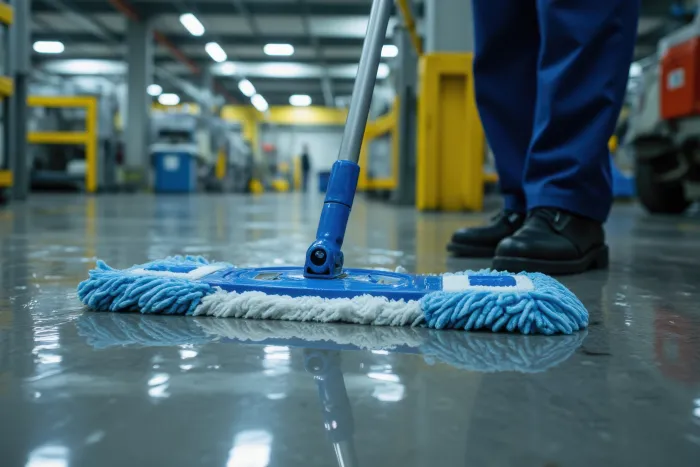
How Regular Warehouse Cleaning Reduces Slip, Trip, and Fall Hazards
Slip, trip, and fall incidents remain among the most common workplace injuries across industrial environments. Warehouse floors are exposed to a variety of potential hazards, including dust accumulation, liquids, oil residue, loose packaging materials, damaged pallets, and debris from shipments. When these materials are allowed to build up, the risk of accidents increases significantly.
Regular warehouse cleaning addresses these hazards before they become serious problems. Sweeping, scrubbing, spill response procedures, and routine inspections help ensure that employees have safe walking surfaces throughout the facility. OSHA’s walking-working surface requirements specifically emphasize the importance of keeping floors clean, dry, and free of hazards whenever possible. For facilities throughout Buffalo and Western New York, this becomes especially important during winter months when snow, salt, moisture, and slush are frequently tracked into buildings.
Cleaner Aisles Improve Forklift Safety
Many warehouse accidents involve material handling equipment such as forklifts. Forklift operators require clear visibility and unobstructed travel paths to move inventory efficiently and safely. Debris left in aisles, misplaced pallets, damaged packaging materials, and accumulated clutter can interfere with safe navigation and increase collision risks. Warehouses with structured cleaning schedules often experience fewer obstacles in travel lanes, helping reduce opportunities for equipment-related incidents. Maintaining clear aisles also supports compliance with facility safety requirements and improves overall operational efficiency. For large distribution facilities near River Road, Military Road, or the industrial corridors throughout Buffalo, maintaining clean forklift routes should be considered a core component of warehouse safety planning.
Warehouse Cleaning Improves Visibility and Hazard Identification
An often-overlooked benefit of routine cleaning is improved visibility. Dust accumulation, cluttered storage areas, and poorly maintained workspaces can make it more difficult for employees to identify hazards before accidents occur. A clean warehouse allows workers to recognize damaged racking, inventory concerns, floor defects, leaks, and other maintenance issues more quickly. When facilities are organized and consistently maintained, safety inspections become more effective and potential hazards are identified earlier. This proactive approach allows warehouse managers to address concerns before they result in injuries, operational disruptions, or costly repairs.
Why Dust Control Is Critical in Warehouses
Dust is one of the most common warehouse maintenance challenges. Over time, dust accumulates on shelving, racks, equipment, ventilation systems, lighting fixtures, and inventory. While some facility owners view dust as primarily an appearance issue, excessive accumulation can create safety concerns. Industrial facility maintenance guidance notes that dust buildup may contribute to respiratory concerns, equipment performance issues, product contamination risks, and in certain environments, fire hazards associated with combustible dust. Regular cleaning helps control dust levels while improving overall workplace conditions for employees. Facilities throughout Western New York that manage manufacturing components, packaging materials, consumer products, or industrial goods often benefit from scheduled high-dusting services in addition to floor cleaning programs.
The Connection Between Housekeeping and OSHA Compliance
Warehouse cleaning is not just a best practice. It also supports workplace safety compliance. OSHA’s housekeeping requirements emphasize maintaining clean and orderly work environments, clear walkways, unobstructed exits, proper material storage, and prompt spill cleanup. Facilities that fail to address housekeeping issues may increase their exposure to injuries, inspections, and compliance concerns.
Regular cleaning programs help warehouse operators maintain:
- Clear aisles
- Accessible emergency exits
- Safer walking surfaces
- Proper waste management
- Organized storage areas
These practices not only improve workplace safety but also contribute to smoother facility operations.
Why Warehouse Cleaning Supports Productivity
Safety is often the primary motivation for warehouse cleaning, but operational efficiency also improves when facilities remain organized and well maintained. Employees spend less time navigating around obstacles, searching for materials, or dealing with preventable disruptions caused by cluttered environments. Clean warehouses also tend to support more accurate inventory management and smoother workflow throughout the facility. Operational best practices consistently identify housekeeping and organization as factors that improve efficiency within warehouse environments. A cleaner facility often translates into fewer interruptions, better workflow, and improved employee satisfaction. For distribution centers throughout Amherst, Tonawanda, and Buffalo, even small improvements in organization can create meaningful gains in productivity over time.
How Western New York Weather Creates Additional Warehouse Challenges
Facilities throughout Western New York face unique cleaning challenges compared to warehouses in warmer regions. During winter, loading docks, receiving areas, and warehouse entrances frequently encounter snow, road salt, moisture, and mud. These contaminants can be carried throughout the building by both employees and equipment. Without proper cleaning procedures, these materials accumulate quickly and contribute to slippery surfaces, floor damage, and excess wear.
Many local warehouse operators increase cleaning frequency during winter months to address changing conditions and maintain safe working environments. This is particularly common for facilities near major transportation corridors such as Interstate 90, Route 33, and Niagara Falls Boulevard, where freight traffic remains active throughout the year.
Signs Your Warehouse May Need More Frequent Cleaning
Many warehouse managers do not realize cleaning schedules need adjustment until problems become noticeable.
Common signs include:
Increased Dust Accumulation
Visible dust on racks, inventory, or equipment often indicates that cleaning intervals should be reviewed.
Frequent Slip Hazards
Recurring spills, wet areas, or debris on floors suggest that current housekeeping procedures may not be sufficient.
Cluttered Aisles
Blocked travel paths reduce both safety and efficiency.
Employee Safety Concerns
Worker feedback often provides valuable insight into developing housekeeping issues.
Reduced Equipment Upkeep
Forklifts, conveyors, and warehouse equipment perform better when dirt and dust are regularly addressed.
Why Facility Managers Prefer Preventative Cleaning Programs
Many warehouse operators have moved away from reactive cleaning strategies and instead rely on preventative maintenance schedules. Rather than waiting for safety issues to develop, preventative cleaning programs establish structured routines for floor care, dust control, spill management, waste removal, and general housekeeping. This approach improves consistency while reducing the likelihood of accidents and operational disruptions. It also allows facility managers to plan maintenance activities proactively rather than responding to issues after they occur. For large warehouse operations, preventative cleaning is often one of the simplest and most cost-effective ways to improve workplace safety.
Final Thoughts
Warehouse cleaning is far more than a cosmetic service. It directly contributes to safer working conditions, improved productivity, better organization, and enhanced operational performance. From reducing slip hazards and controlling dust to supporting OSHA housekeeping standards, regular cleaning plays an essential role in protecting employees and maintaining efficient warehouse operations.
For businesses throughout Buffalo, Amherst, Tonawanda, Cheektowaga, Williamsville, and the surrounding Western New York region, investing in a consistent warehouse cleaning program can help create a safer, more productive facility while reducing long-term operational risks.
Frequently Asked Questions About Warehouse Cleaning
How often should a warehouse be professionally cleaned?
The ideal frequency depends on facility size, inventory type, employee traffic, and operational activity. Many warehouses benefit from daily cleaning of high-traffic areas and periodic deep cleaning services.
Does warehouse cleaning improve OSHA compliance?
Regular cleaning supports housekeeping requirements related to walkways, exits, storage areas, and safe working surfaces.
Why is dust control important in warehouses?
Dust can affect employee comfort, equipment performance, product quality, and overall facility safety.
Can warehouse cleaning reduce workplace accidents?
Maintaining clean floors, organized storage areas, and clear travel paths helps reduce many common workplace hazards associated with slips, trips, and falls.
Sources
Occupational Safety and Health Administration (OSHA) – Warehousing Overview https://www.osha.gov/warehousing/ [osha.gov]
OSHA Housekeeping & Walking-Working Surface Standards https://www.osha.gov/laws-regs/regulations/standardnumber/1915/1915.81 [osha.gov]
Warehouse Housekeeping Best Practices and OSHA Guidance https://www.safetyvideos.com/housekeeping-best-practices-in-the-warehouse [safetyvideos.com]